
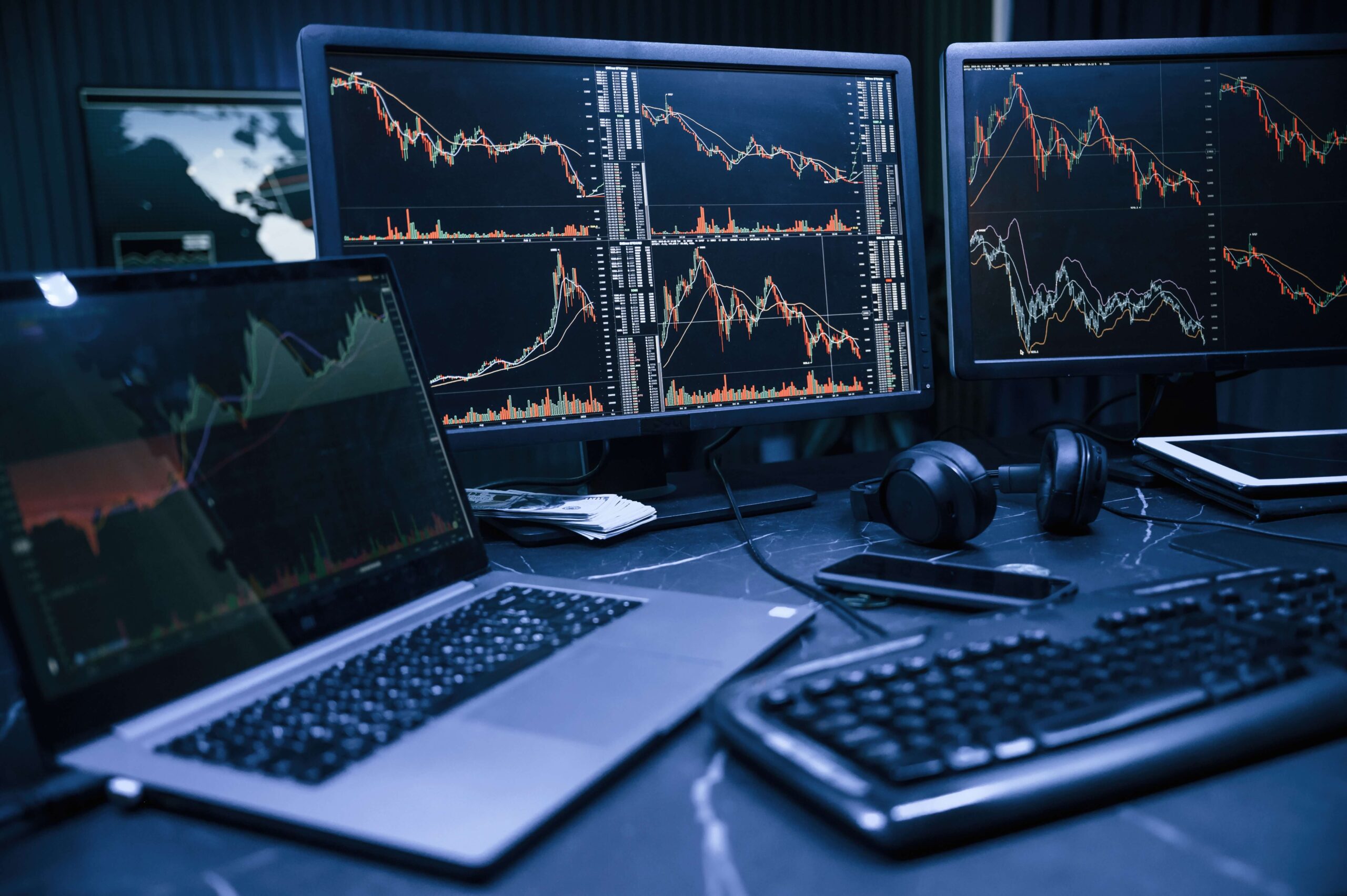
In today’s volatile global markets, professional traders understand one thing very clearly: no single asset can outperform across every economic cycle.
Currency movements, commodity trends, stock market sentiment, and crypto volatility all react differently to changing conditions.
This is why diversification across multiple markets has become a core strategy for experienced traders, including traders from LATAM who operate in international markets.
Diversification is not just spreading money across several trades—it is a structured approach aimed at reducing risk exposure and improving the chances of steady performance.
In this blog, we explore how professionals diversify portfolios across different asset classes and how a multi-asset platform like Comércio24Seven helps simplify this approach.
Understanding Diversification Beyond “Multiple Trades”
Many new traders assume that holding many instruments automatically means diversification. Professionals approach it differently. They look at correlation—how assets move relative to each other.
If two markets move in the same direction most of the time, holding both does little to reduce risk.
For example, some energy stocks tend to rise and fall with oil prices. Buying both may look like diversification, but the risk is similar. On the other hand, a combination like gold and stock indices may reduce exposure because they sometimes move in opposite directions.
This way of thinking helps traders protect their portfolios during unexpected events. When one asset class reacts negatively to interest rate changes, another market may still perform positively.
Trade24Seven supports this strategy by offering access to FX pairs, indices, commodities, and cryptocurrencies on one platform, making it easier to combine markets with different behaviors.
Macro View: Starting With the Bigger Picture
Before placing trades, professionals examine the wider economic environment. Interest rate decisions, inflation data, and employment reports from major economies influence almost all global markets at once.
A single announcement from the Federal Reserve can lead to price swings in crypto, changes in currency values, and new trends in gold.
Geopolitical events such as elections, trade disputes, or policy reforms can also change market sentiment. For traders from LATAM, international political decisions can impact commodity exports and local currency stability.
Multi-asset traders rely on real-time economic data to decide which assets to focus on.
Platforms like Trade24Seven provide integrated market feeds, price charts, and major economic indicators to help traders align their diversification with global conditions.
Allocating Capital Across Different Asset Classes
Once the macro picture is clear, traders decide how to split their capital—a process called portfolio weighting. They rarely commit all funds to a single asset class. Instead, they allocate based on risk tolerance and market expectations.
A diversified structure may include:
- FX Trading: Highly liquid and driven by economic releases and monetary policy.
- Commodities: Oil, gold, and metals shaped by supply-demand cycles and inflation.
- Stock Indices: Reflect broader economic growth and investor confidence.
- Cryptocurrencies: Add high volatility and alternative growth opportunities.
In periods of uncertainty, traders increase exposure to safe-haven assets like gold or stable currencies. In a risk-on phase, traders prefer equities or crypto markets.
Since Trade24Seven allows switching between different instruments in a single dashboard, it becomes easier to adjust allocations as market cycles change.
Correlation: The Key to Reducing Risk
Correlation is one of the most important tools in diversification. Positive correlation means assets move together, while negative correlation means they move in opposite directions. Experienced traders choose assets with low or negative correlation to balance their portfolios.
For example:
- Gold can rise when stock indices fall.
- EUR/USD may move differently from USD/JPY depending on interest rate expectations.
- Bitcoin movements often show different patterns from commodities.
By selecting assets that do not react the same way to market changes, traders reduce the chance of a single event affecting their entire portfolio.
Platforms like Trade24Seven include chart comparison tools that help traders evaluate price relationships between different instruments before making decisions.
Diversification Across Time Horizons
Professional traders diversify not only across markets, but also across time. Some trades are designed for short-term gains, while others are built for longer-term growth.
Short-term diversification may involve intraday FX trading, index futures, or crypto swings during high volatility. Long-term positions may include gold during inflationary periods or stock indices during economic expansion.
This helps traders avoid relying on one type of market movement. If short-term opportunities slow down, long-term investments may still perform. This method is especially useful for traders in regions with currency fluctuations, such as LATAM, where stable long-term assets offer balance against short-term volatility.
A trading environment like Trade24Seven supports both short-term tools and long-term analysis by offering technical indicators, market history, and performance charts within one system.
Hedging: A Professional Strategy to Limit Losses
Hedging is a technique where traders open a second position to protect against losses in the first. While diversification spreads risk, hedging directly reduces it.
For example:
- A long position in crude oil may be protected with a short on an energy-based index.
- A trader expecting volatility in EUR/USD may hold gold to balance currency risk.
This allows traders to participate in competitive markets without exposing their entire portfolio to sudden shocks. Trade24Seven supports hedging approaches through tools like stop-loss orders, market alerts, and complete visibility across asset classes.
Rebalancing: Keeping the Portfolio in Shape
Diversification is not a one-time action—it needs maintenance. Professional traders review and adjust positions regularly. They rebalance based on upcoming economic events, performance of existing trades, and any major changes in global sentiment.
If one asset grows quickly, it can dominate the portfolio and increase risk. Rebalancing brings the portfolio back to its intended structure. The goal is to stay disciplined instead of reacting emotionally to market changes.
Performance analytics, risk exposure charts, and portfolio tools on Trade24Seven help traders identify when it’s time to rebalance.
Final Thoughts
Diversification across assets is the foundation of professional trading. It protects the portfolio against unexpected events, reduces reliance on one market, and supports a stable trading approach over time.
By combining assets with different reactions to global trends, traders position themselves for better consistency.
Modern multi-asset platforms such as Comércio24Seven make this process easier by giving traders access to FX, commodities, stocks, and crypto all in one place.
With the right tools and a strategic approach, diversification becomes a practical method for navigating today’s fast-moving markets.